
So your iPhone 14 won't charge. You've plugged it in, maybe even tried a different cable, and the screen stays dark. It's a frustrating spot to be in, but I've seen this issue pop up a lot, and it's almost always something you can fix yourself without a trip to the store.
Whether you're dealing with a Lightning port that feels loose, a MagSafe charger that's not snapping into place, or a phone that just sits there showing zero signs of life, we'll walk through the fixes. Let's start with the quickest solutions first.
Force Restart Your iPhone 14
This is my go-to first step every single time. A force restart clears out temporary software glitches that can interfere with the charging system, and it takes about 30 seconds. For the iPhone 14, the process is straightforward.
Press and quickly release the Volume Up button. Then, press and quickly release the Volume Down button. Finally, press and hold the Side button until you see the Apple logo appear on the screen. Once it boots back up, plug it in and check for the charging indicator.
Clean the Lightning Port
This is the most common hardware fix for the iPhone 14. Unlike newer USB-C models, the iPhone 14 uses a Lightning port, which is notoriously good at collecting pocket lint and debris. Over time, that gunk packs in so tightly that your cable can't make a proper connection.
Grab a flashlight and take a close look inside the port. If you see any lint or dirt, turn your phone off first for safety. Then, use a wooden or plastic toothpick to gently scrape out the debris. I'd avoid using anything metal, as it can scratch the delicate gold contacts inside. You can also try tapping the phone gently with the port facing down to dislodge anything stuck.
Check Your Cable and Power Source
You need to figure out if the problem is with your cable, your wall adapter, or the outlet itself. The best way is to test each component one by one. Start by trying a different Lightning cable, and make sure it's an Apple-certified or MFi one.
Next, test with a different wall adapter. If you have a 20W adapter, that's ideal for the fastest charging on the iPhone 14. You can also try plugging the cable into a computer's USB port to see if it recognizes the connection. Don't forget to try a different wall outlet, too, in case the first one is faulty.
Look for Liquid Detection Alerts
If your iPhone 14 has been exposed to moisture, it might be blocking a charge to protect the hardware. You'll typically see a clear warning on the screen saying "Liquid Detected in Lightning Connector." If you see this, don't try to plug the cable in again.
Unplug everything immediately and let the port dry completely. You can gently tap the phone against your hand with the Lightning connector facing down to help remove droplets. In the meantime, you can use a MagSafe or Qi wireless charger to power up your phone while the port dries out.
Try MagSafe or Wireless Charging
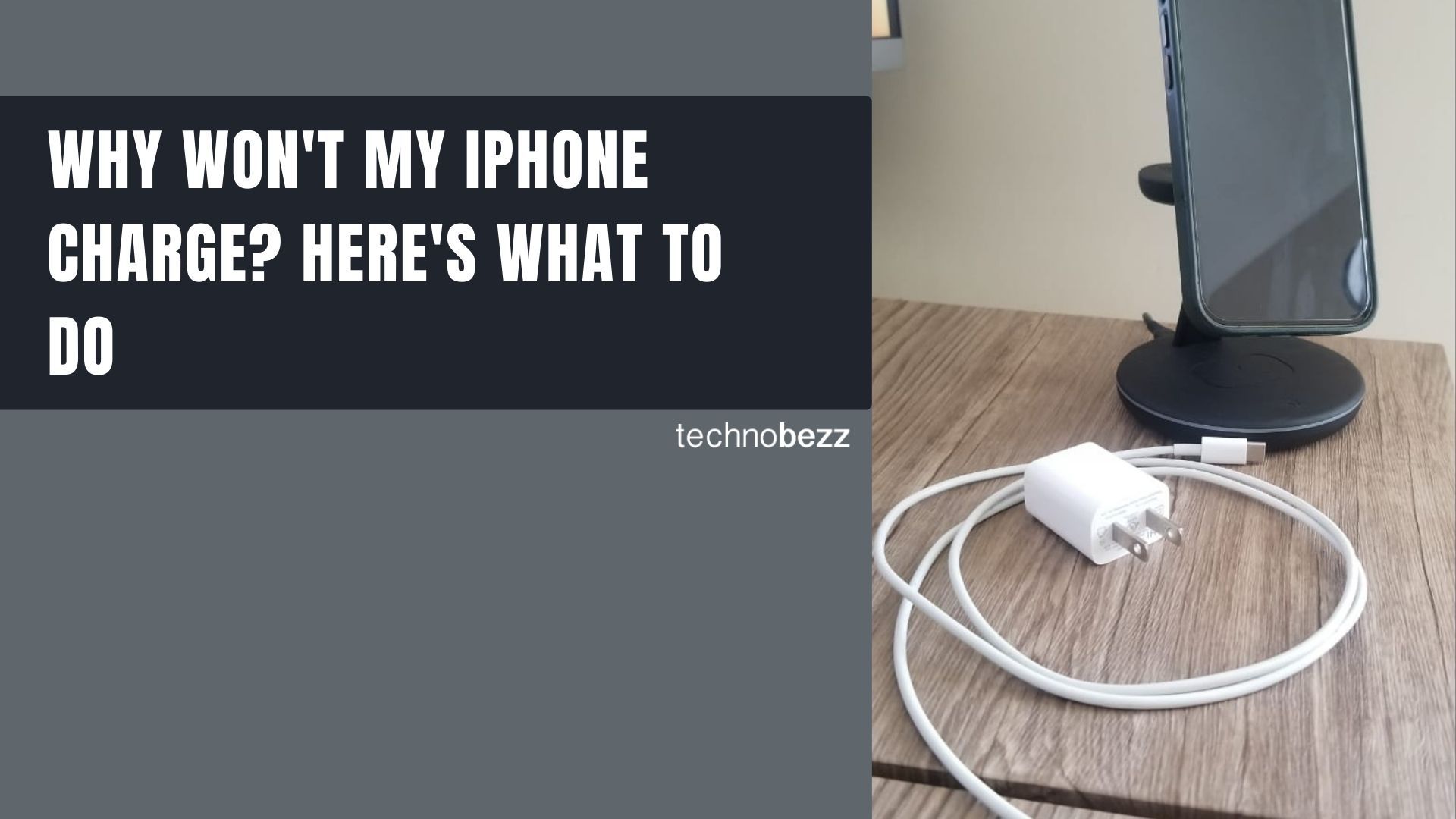
If the Lightning port isn't working, this is a great way to figure out if the problem is isolated to the port itself. The iPhone 14 supports both standard Qi wireless charging and Apple's faster MagSafe charging. Place your phone on a MagSafe charger and let the magnets snap it into alignment.
Keep in mind that wireless charging generates more heat. If your iPhone gets too warm, it will slow down or even pause charging to protect the battery. This is normal, but if it's happening constantly, try charging in a cooler room and remove any thick phone case.
Update to the Latest iOS
Software bugs can sometimes interfere with charging. Apple has addressed charging-related issues in past iOS updates, so it's worth making sure you're running the latest version. Go to Settings > General > Software Update and download any available update.
If your iPhone won't turn on to check for an update, you can try updating it via a computer. Connect your iPhone 14 to a Mac or PC using your Lightning cable. On a Mac with macOS Catalina or later, open Finder. On a PC or older Mac, open iTunes. The computer should recognize the device and give you an option to update it.
Check for Overheating
Your iPhone 14 has built-in temperature protection. If the device gets too hot, it will stop charging to prevent damage to the battery. This can happen if you're using it in direct sunlight, running intensive apps, or using a wireless charger in a warm environment.
If the phone feels unusually hot to the touch, unplug it and move it to a cooler spot. Let it cool down for a while, then try charging again. I'd also recommend removing any case during charging if overheating is a recurring issue.
Charge with the Phone Turned Off
Sometimes a background app or process is causing a conflict that prevents charging. A simple test is to turn your iPhone 14 completely off. Press and hold the Side button and either volume button, then slide to power off. Once it's off, plug it into your charger.
If the charging icon appears on the black screen, you'll know it was a software issue interfering. This method also tends to be the fastest way to charge, as no system processes are running.
Examine Battery Health
All batteries degrade over time. If your iPhone 14's battery health has significantly deteriorated, it may struggle to accept a charge properly. You can check this by going to Settings > Battery > Battery Health & Charging.
Look at the "Maximum Capacity" percentage. If it's below 80%, the battery is considered worn and may be the root cause of your charging problems. At this point, the most reliable fix is to have the battery replaced by Apple or an authorized service provider.
Restore Your iPhone Using a Computer
If you've tried every other step and the problem persists, a deeper software issue might be at play. Restoring your iPhone via a computer can wipe out these glitches. This will erase all data on your phone, so ensure you have a recent backup in iCloud or on your computer first.
To enter Recovery Mode on an iPhone 14, connect it to your computer with a Lightning cable. Quickly press and release the Volume Up button, then quickly press and release the Volume Down button. Immediately press and hold the Side button until you see the recovery mode screen on your iPhone. On your computer, you'll then have the option to Restore the device.